As the world becomes increasingly urbanized, cities are facing new challenges—traffic congestion, pollution, energy consumption, and population growth. To tackle these issues, a new concept is emerging: smart cities. Powered by advanced technologies like the Internet of Things (IoT), artificial intelligence (AI), and big data, smart cities are reshaping how we live, work, and interact with our environment.
What Is a Smart City?
A smart city uses digital technology to improve infrastructure, enhance public services, and optimize resource management. Sensors, connected devices, and real-time data allow cities to operate more efficiently and respond quickly to changing conditions.
From smart traffic lights to intelligent waste management systems, these innovations aim to create a more sustainable and livable urban environment.
Smarter Transportation
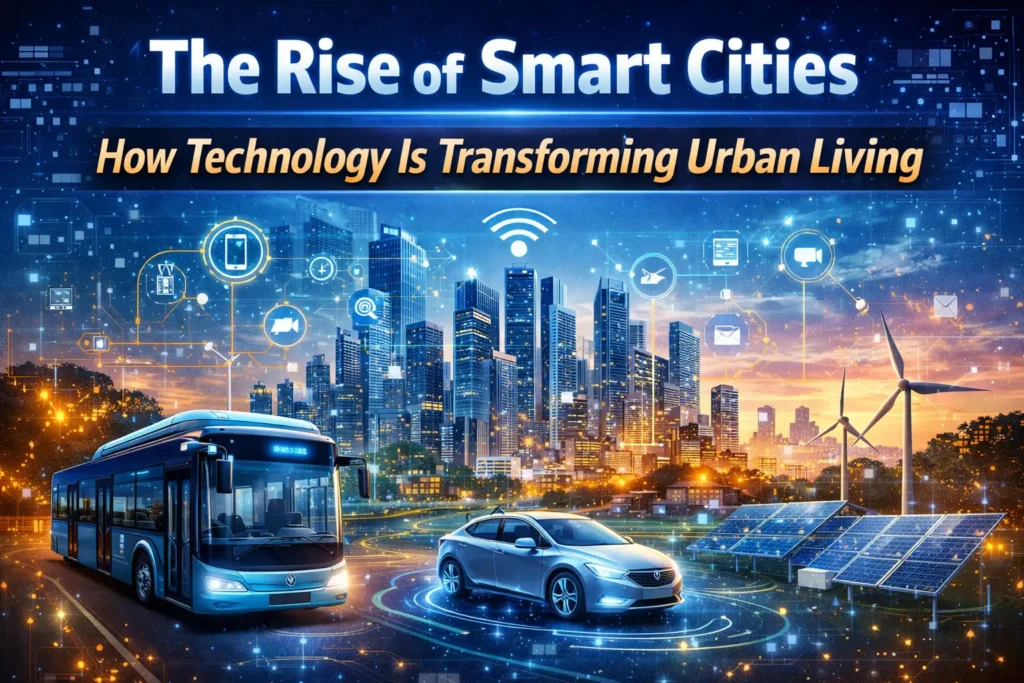
One of the most noticeable improvements in smart cities is transportation. AI-powered traffic systems can analyze congestion patterns and adjust signals in real time to reduce delays. Public transportation is also becoming smarter, with apps providing real-time updates on bus and train schedules.
In the future, autonomous vehicles and smart parking systems could further reduce traffic and make commuting smoother.
Energy Efficiency and Sustainability
Smart cities are designed with sustainability in mind. Smart grids help manage electricity usage more efficiently, reducing waste and lowering costs. Buildings equipped with smart systems can automatically adjust lighting and temperature based on occupancy.
Renewable energy sources like solar and wind are also being integrated into urban infrastructure, helping reduce carbon emissions.
Improved Public Services
Technology is also enhancing public services such as healthcare, safety, and waste management. For example:
- Smart surveillance systems can improve public safety.
- Digital healthcare platforms enable faster medical support.
- Smart bins can notify authorities when they need to be emptied.
These systems not only improve efficiency but also enhance the quality of life for citizens.
Challenges to Consider
While smart cities offer many benefits, they also come with challenges:
- Privacy concerns due to increased data collection
- High implementation costs
- Cybersecurity risks
To build truly successful smart cities, governments and organizations must address these issues carefully.
The Future of Urban Living
Smart cities are not just a futuristic idea—they are already becoming a reality in many parts of the world. As technology continues to evolve, cities will become more connected, efficient, and sustainable.
Final Thoughts
The rise of smart cities represents a major step forward in urban development. By embracing technology, we can create cities that are not only smarter but also more human-centered—places where innovation improves everyday life.